How to troubleshoot a failed Rajbet Casino session
Introduction
A failed casino session can involve several different problems: the page may not load, a login may be rejected, a game may freeze, or a transaction may seem incomplete. Before taking another step, work out where the interruption happened, whether you’re checking Rajbet Casino or another online service.
The distinction matters. Refreshing a stalled page is not the same as retrying a payment, and a slow connection doesn’t necessarily mean an account action failed. A careful check can help prevent duplicate actions and keep you from sharing sensitive information in the wrong place.
Identify where the problem starts
The user, device, browser, network, account and payment process all play a part in a session. A fault can occur at any point, so changing several things at once makes it harder to find the cause.
Start with the symptom. Note whether the problem occurs before login, after login, when opening a game, or during a deposit or withdrawal. Record the error message and approximate time, but don’t include passwords, full payment details or other credentials in notes you share.
Next, check whether the problem is local or part of a wider service interruption. If other secure websites also fail to load, the connection or device may be the cause. If everything else works, the issue may be specific to your account or the service. Repeatedly reloading the page won’t confirm which.
Key factors
Connection quality. A weak or interrupted connection can leave a page partly loaded or prevent a request from finishing. Check that your device is online and, if possible, switch to a more stable connection. Avoid changing networks during a payment or account update. A screen that looks complete doesn’t prove a transaction was recorded, and an error screen doesn’t prove it wasn’t.
Browser and device state. An outdated browser, too many open tabs or a temporary session issue can interfere with a page. Close unnecessary tabs, reopen the browser and refresh only if no payment or other important action appears to be in progress. If the problem continues, try another up-to-date browser or device to help isolate the cause. Don’t use this as a way to bypass account checks or access restrictions.
Clearing cookies or site data may sign you out and remove saved preferences. Consider this before clearing them, and use your browser’s own settings rather than unfamiliar tools or links. If you need a fresh session, return to the service using an address you’ve checked yourself, not a message asking for your credentials.
Login and account checks. Check that your login details are correct and that you’re on the genuine service page. If you need to reset your password, use the usual account-recovery process. Never share a one-time code with anyone. Repeated guesses can make the problem harder to diagnose and may trigger extra security checks, so pause instead of trying different passwords.
If the service requests information or documents, read the request carefully and use only the official account process. Don’t send sensitive material through an unsolicited email, chat or social media message. If a restriction or check is unclear, save the message and ask for clarification through a verified support channel.
Payments and transaction status. Be especially cautious if a deposit or withdrawal appears to have failed. Don’t repeat it immediately. Check your account’s transaction history and the relevant payment record; different screens may take time to update. If the status is still unclear, contact the service or payment provider through a verified channel and provide only the reference information they need.
A pending status, a declined attempt and a completed transaction are different outcomes. Don’t assume which one applies based on a spinner or interrupted page. If you need to follow up, privately note the time, amount and displayed status. Never share a full card number, security code, password or authentication code in a regular support conversation.
Game or page freezes. If a game stops responding, avoid clicking repeatedly or opening several new sessions. Wait briefly and note what’s displayed. Return to the account overview only when it’s safe to do so. If the interruption involved a balance or active transaction, check the account status before deciding what happened; the screen may not show the full session history.
Example: a step-by-step diagnosis
Imagine a user signs in, opens a game and gets stuck on a loading screen. Rather than pressing every button, they check whether other pages load, note the time and error message, and wait to see if the request completes.
If the connection is unstable, they restore it before starting a new session. If the connection is fine, they close the stalled tab, open a fresh browser session and sign in through a verified route. Before retrying anything that could affect funds, they check the account for any recorded activity.
Now imagine the page stops during a payment. The priority is no longer loading the game; it’s checking the transaction status. The user avoids paying again, checks the account and payment records, and contacts verified support if the outcome remains unclear. This takes longer than clicking again, but helps prevent duplicate payments and keeps a clearer record.
Conclusion
Effective troubleshooting is a process of elimination, not persistence at all costs. Identify where the problem occurred, check the connection and browser without changing everything at once, and review account messages carefully. If a payment’s status is uncertain, pause rather than repeat the action.
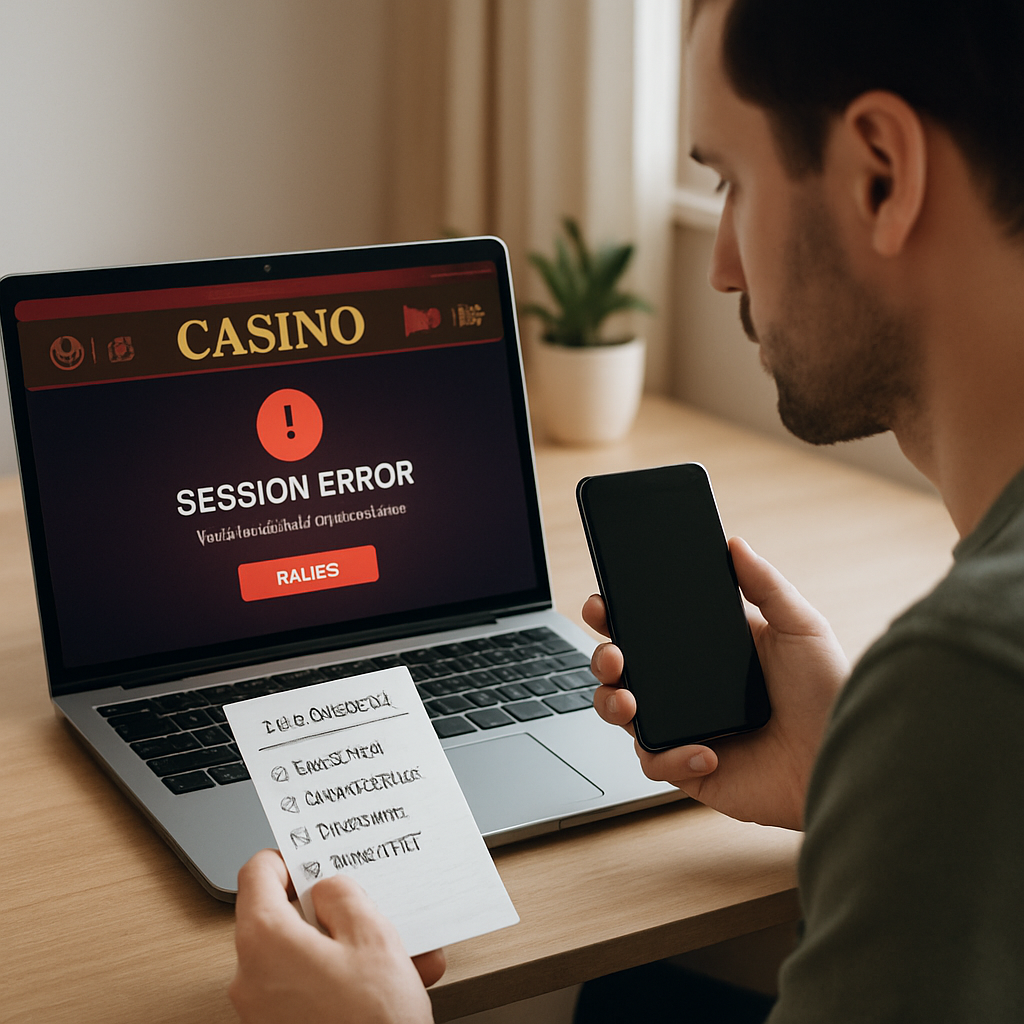
If basic checks don’t solve the problem, keep a brief record of the error and contact support through a verified channel. Don’t share credentials or authentication codes, and don’t let a technical fault become a reason to chase losses or play beyond your personal limit. Knowing when to stop is part of sound troubleshooting.